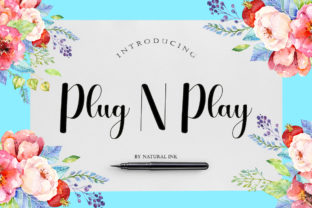
Plug N Play Font: Modern Script for Digital Branding
Selecting the right typeface is one of the most critical decisions in web design and digital product creation. Typography does more than display text; it establishes tone, guides user attention, and reinforces brand identity before a visitor reads a single word of copy. For designers seeking a balance between handmade authenticity and modern digital clarity, Plug N Play offers a distinct solution. This script font brings a fresh, calligraphic energy to screens without sacrificing the structural integrity required for professional web layouts. As a premium font within the Script Amp category, it serves as a versatile tool for creating memorable hero sections, engaging landing pages, and cohesive brand experiences.
Visual Personality and Digital Appeal
Plug N Play distinguishes itself through a unique combination of decorative characters and a dancing baseline. Unlike rigid geometric scripts that can feel sterile on high-resolution displays, this typeface retains the organic flow of hand-lettering while being optimized for digital rendering. The varying baseline creates a natural rhythm that mimics human handwriting, adding warmth and approachability to web interfaces. This characteristic is particularly valuable for brands aiming to build trust and emotional connection with their audience.
For UI designers, the visual weight of Plug N Play is substantial enough to hold its own against busy background imagery or solid color blocks often found in modern web design. The strokes are confident and clear, preventing the thin lines common in older script fonts from disappearing on mobile screens or low-contrast displays. This makes it a reliable choice for digital environments where readability must coexist with stylistic expression. The font’s personality strikes a balance between playful and polished, making it suitable for creative portfolios, boutique e-commerce stores, coaching platforms, and lifestyle brands that require a sophisticated yet personal touch.
Strategic Application in Web Layouts
Integrating a handwritten font into a conversion-focused website requires strategic placement. Plug N Play excels as a display font rather than a body text workhorse. Its primary strength lies in establishing visual hierarchy and breaking up the monotony of standard sans serif interface typography. Consider these practical applications for maximizing impact:
- Hero Section Headlines: Use Plug N Play for the main value proposition or emotional hook above the fold. The dancing baseline draws the eye immediately, signaling to users that the brand is creative and human-centric.
- Call-to-Action Accents: While primary buttons should typically remain in highly legible sans serif fonts for accessibility, secondary CTAs or supporting text near buttons can utilize this script to add urgency or emphasis without competing with functional elements.
- Editorial and Blog Headers: Break the grid-based structure of content-heavy sites by using this typeface for article titles or pull quotes. It adds an editorial design quality that encourages reading and reduces bounce rates.
- Digital Product Packaging: For SaaS founders or course creators, use Plug N Play on sales page banners, certificate templates, and welcome kits to elevate the perceived value of digital goods.
- Social Media Graphics: Maintain consistent brand identity across web and social channels by using the same typeface for Instagram stories, Pinterest pins, and ad creatives linked to your site.
When designing for online stores, this font works exceptionally well for category headers, seasonal sale banners, and product highlight badges. It conveys a sense of curation and craftsmanship that generic system fonts cannot achieve. However, restraint is key. Overusing a decorative script can clutter the interface and hinder navigation. Treat Plug N Play as a spice that enhances the dish, not the main ingredient.
Readability and Responsive Design Considerations
A beautiful font fails if it compromises usability. When implementing Plug N Play in responsive web designs, specific technical considerations ensure performance across devices. The dancing baseline, while visually appealing, requires careful vertical spacing management. In CSS, you may need to adjust line-height and margin properties to prevent ascenders and descenders from colliding with adjacent elements, especially in stacked mobile layouts.
On smaller screens, scale matters significantly. Script fonts generally require a larger minimum font size than sans serif fonts to remain legible. Testing reveals that Plug N Play performs best at sizes above 24px on mobile viewports. Below this threshold, the intricate details of the calligraphy may blur or become difficult to parse quickly. Always test your typography on actual devices, not just browser resizing tools, to verify touch targets and reading comfort.
Contrast is another non-negotiable factor. Because script fonts have variable stroke widths, they demand higher contrast ratios than uniform typefaces. Avoid placing Plug N Play over complex photographic backgrounds without a sufficient overlay or text shadow. Dark text on light backgrounds or white text on dark, solid backgrounds provides the safest environment for accessibility compliance. If using the font on interactive elements like hover states, ensure the transition does not cause layout shifts that disrupt the user experience.
Effective Font Pairing Strategies
To create a harmonious digital typographic system, Plug N Play needs a supportive partner. The goal is to create contrast that clarifies hierarchy rather than creating visual conflict. Since Plug N Play carries significant personality and texture, pair it with neutral, structured typefaces.
A clean geometric sans serif font is often the ideal companion for body copy, navigation menus, and footer links. The stability of a sans serif grounds the exuberance of the script, ensuring that essential information remains accessible and scannable. For example, pairing Plug N Play headlines with a versatile grotesque or neo-grotesque typeface creates a contemporary, tech-forward aesthetic suitable for creative agencies and digital consultants.
Alternatively, a classic serif font can complement Plug N Play for brands leaning toward luxury, heritage, or editorial storytelling. The shared historical roots of serifs and scripts create a cohesive, traditional feel updated for modern screens. This combination works beautifully for wedding invitation websites, high-end fashion retailers, and literary blogs. Regardless of the pairing chosen, maintain consistent spacing and alignment systems to unify the disparate styles into a single brand voice.
Licensing and Technical Implementation
Before deploying any premium font in a commercial project, verifying licensing is mandatory. Web designers and agency owners must ensure their license covers all intended use cases. Check whether the license includes webfont files (WOFF/WOFF2) specifically, as desktop licenses rarely cover server-hosted web usage. Confirm the allowed number of monthly pageviews or domain restrictions to avoid compliance issues as a client’s site grows.
Review the included assets thoroughly. High-quality script fonts like Plug N Play often include OpenType features such as ligatures, swashes, and alternate characters. These extras are invaluable for logo design and custom branding but require CSS support to activate on the web. Utilizing font-feature-settings in your stylesheet allows you to access these decorative elements programmatically, giving you granular control over the typography without resorting to image replacements.
Finally, consider multilingual support if designing for global audiences. Verify that the character set includes necessary accents and special characters for your target languages. Missing glyphs can force browsers to fall back to system fonts, breaking the visual consistency of your design. By addressing these technical and legal foundations early, you ensure that Plug N Play serves as a reliable, long-term asset in your digital design toolkit, enhancing both aesthetics and functionality across every touchpoint.