Metultah Font: Playful Branding for Small Business
As a small business owner, I know that every visual touchpoint matters. From the logo on your website header to the thank-you card tucked inside a shipping box, typography communicates your brand’s personality before a customer even reads a single word. Finding a typeface that balances professionalism with approachability is often a challenge, but the Metultah font offers a practical solution for entrepreneurs who want their branding to feel authentic and engaging. This script typeface brings a distinctively fun and playful energy to design assets without sacrificing the polish needed for commercial use.
Defining the Personality of Metultah
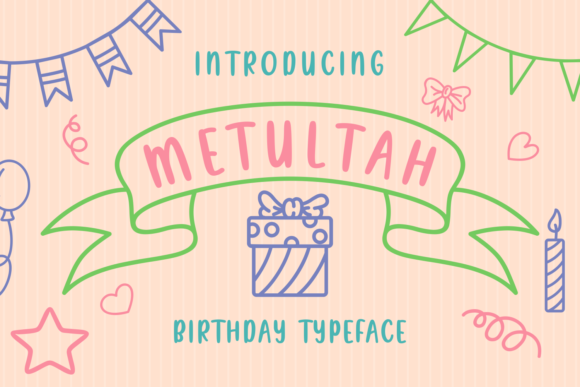
Metultah is not just another handwritten font; it is a versatile design tool categorized under Script Amp that injects warmth into corporate or creative identities. The typeface comes in two distinct styles, allowing business owners to choose the level of expression that best fits their specific niche. Whether you are running a cozy café, a handmade candle shop, or a creative coaching service, these styles provide a consistent visual voice. The inclusion of extra doodles is a significant value-add for solo entrepreneurs who may not have the budget for custom illustrations. These graphical elements allow you to create cohesive social media graphics and packaging designs that look professionally curated rather than pieced together from mismatched stock assets.
Elevating Product Packaging and Labels
Packaging is often the first physical interaction a customer has with your brand, and legibility is paramount. When using Metultah for product labels, it works exceptionally well as a display font for product names or short taglines. For example, a boutique skincare line could use the bolder style of Metultah for the product name "Glow Serum" to create shelf appeal, while keeping ingredient lists in a clean sans serif font for readability. The playful nature of the script suggests natural, artisanal, or friendly qualities, which is ideal for beauty products, baked goods, and children’s items. However, because script fonts can be intricate, always test your label designs at actual print size. What looks beautiful on a 27-inch monitor might become illegible on a 2-inch jar label. Use Metultah to draw the eye, but ensure functional information remains accessible.
Creating Consistent Social Media Visuals
Consistency builds trust, and trust drives sales. In the crowded digital marketplace, your Instagram grid, Pinterest pins, and Facebook ads need to look like they belong to the same family. Metultah serves as an excellent anchor for social media templates. By using this creative font for recurring segments—such as "New Arrival," "Customer Review," or "Weekly Tip"—you create a visual shorthand that followers instantly recognize. The included doodles can be used to highlight sale prices, frame testimonials, or add texture to flat-lay photography. This level of branded consistency makes a small business appear established and reliable. When designing for mobile screens, remember that contrast is key. Pairing white Metultah text against a dark, muted background often yields better engagement rates than light text on white, especially in fast-scrolling feeds.
Strategic Font Pairing for Professionalism
A common mistake in DIY branding is using too many decorative fonts, which can make materials look cluttered and amateurish. To maintain a professional brand identity, treat Metultah as the star performer and pair it with a supportive, neutral typeface. A modern sans serif font like Montserrat or Open Sans provides excellent contrast and ensures body copy is easy to read. Alternatively, a classic serif font can add a touch of sophistication if your brand leans toward luxury or heritage. For instance, a wedding planner might use Metultah for the couple's names on a website banner while using a refined serif for service descriptions. This hierarchy guides the customer’s eye and ensures that your playful branding does not compromise the clarity of your business message. Effective font pairing is about balance; let Metultah handle the emotion while your secondary font handles the information.
Practical Applications Across Business Touchpoints
The versatility of Metultah extends far beyond digital screens. As entrepreneurs, we wear many hats, and our fonts need to work just as hard across various mediums. Consider how this typeface can be applied to specific business needs:
- Business Cards: Use Metultah for your name or business title to create a memorable first impression, but keep contact details in a highly legible sans serif.
- Café Menus: Highlight daily specials or signature drinks with the script style to guide customers toward high-margin items, while keeping prices and descriptions simple.
- Website Headers: Implement Metultah in H1 or H2 tags for landing pages to reduce bounce rates by immediately establishing a friendly, welcoming tone.
- Email Marketing: Use the font in newsletter subject lines or preheader text (as web-safe images) to increase open rates through visual distinction.
- Merchandise: The playful aesthetic translates perfectly to tote bags, stickers, and t-shirts, turning customers into walking billboards for your brand.
Navigating Commercial Licensing and Usage Rights
Before integrating any premium font into your business operations, understanding licensing is non-negotiable. Using a font without the proper commercial license can expose a small business to legal risks and reputational damage. Always verify that your Metultah license covers your intended use cases. Personal licenses typically do not cover product packaging, merchandise for sale, or client work. If you plan to use the font on physical products, digital downloads, or templates you intend to sell, you likely need an extended commercial or enterprise license. Additionally, if you are a designer creating branding for clients, ensure the license allows for transfer or requires the end-client to purchase their own license. Respecting intellectual property is a hallmark of a professional business. Checking these details upfront saves time and protects your brand’s integrity as you scale.
Testing Before Full Implementation
Rebranding or introducing a new typeface is an investment, so it is wise to test Metultah before committing to a full rollout. Create mockups of your most critical assets—a product label, an Instagram post, and a website hero section—and view them in context. Ask for feedback from existing customers or peers in your industry. Does the font align with their perception of your brand? Is the text easy to read on their devices? Sometimes a font that feels perfect in isolation may clash with your existing color palette or photography style. Testing allows you to adjust tracking, leading, or scale to optimize performance. Remember that typography is a functional element of business strategy, not just decoration. When used thoughtfully, Metultah can transform your visual identity from generic to distinctive, helping you build a recognizable and trustworthy brand that resonates with your target audience.